Retrain your breathing patterns
individualized training to restore a healthy breathing pattern to improve your physical and mental Health
Breathing is automatic. Efficient breathing is trainable.

UNABLE TO GET A FULL BREATH?
MOUTH BREATHING, SHOULDERS AND NECK TENSION, POOR SLEEP, LACK OF ENERGY, HYPER ALERT NERVOUS SYSTEM, LACK OF FOCUS, SHORTNESS OF BREATH?

SUPPORT YOUR MENTAL AND PHYSICAL HEALTH
Functional Breathing
Functional breathing is the natural efficient breathing pattern of the body that supports overall physiological, biomechanics, and psychological health. It is a way of breathing that optimizes oxygen (O2) delivery, carbon dioxide (CO2) balance, and physiology regulation both at rest and during movement. In practical terms it means a nasal slow, light and diaphragmatic way of breathing.

BREATHE EFFICIENTLY,PARENT INTENTIONALLY
Signs and symptoms of dysfunctional breathing patterns can show up as frequent sighing or yawning, chest and shoulders dominant movement when breathing, shortness of breath at rest or mild activity, tight chest or throat, dry mouth, feeling unable to get a full breath, cold hands and feet, blood pressure fluctuations, lack of sleep, focus and energy, tension in neck, jaw, and shoulders, anxiety, hyper alertness, fatigue, difficulty calming down after stressful situations, snoring, mouth breathing.
Breathing optimization Training
Do you often feel like you cannot get a satisfying breath? Do you breathe through your mouth more than you would like? Does your breathing change when you are stressed? Do you feel that your breathing works against you during exercise? Do you want to understand and improve how you breathe?
I am Desi Soto, a Certified Advanced Functional Breathing Instructor providing Individualized training sessions designed to optimize your breathing. Breathing is a function your body performs all day and night. This training focuses on improving breathing habits, mechanics and efficiency. Six weeks, six sessions, science backed exercises that will transform the way you breathe, and results that will transform the way your body and mind support your life.
Does Functional Breathing Matter?
An efficient breathing pattern optimizes oxygen delivery to cells and brain tissues, which boosts daily energy levels, physical endurance and mental clarity for focus and concentration. Slow, rhythmic, nasal breathing stimulates the parasympathetic nervous system, shifting the body out of fight or flight mode to reduce anxiety and lower stress response, as well as engaging the diaphragm correctly promotes better core stability and posture, reducing strain on the neck, shoulders, and upper chest, preventing chronic muscle tension, fatigue, and upper body stiffness; breathing efficiently supports healthy sleep patterns and enhances overall immune function among many other benefits.

IMPROVE PHYSICAL AND MENTAL RESILIENCE
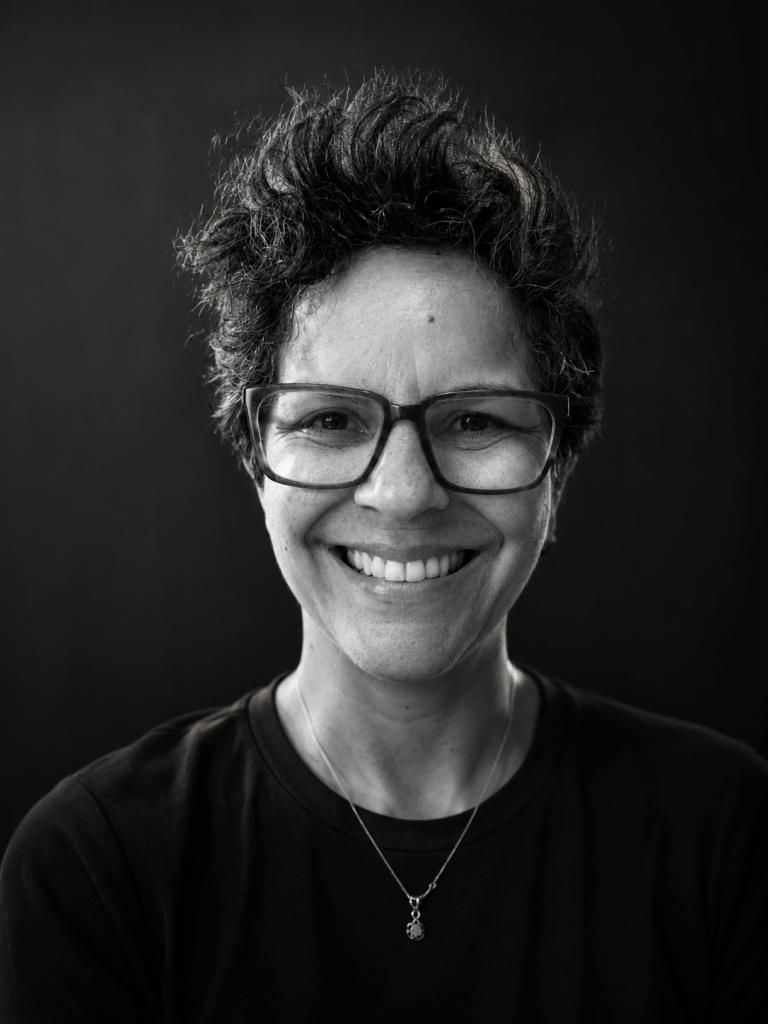
meet, DESI SOTO
I am Desi Soto, a certified Functional Breathing Instructor helping you restore a healthy breathing pattern that can optimize your physical and mental health.
After years of working in high pressure professional environments, and realizing I had a dysfunctional breathing pattern that had impacted my childhood experience and was doing the same in my adulthood, I became interested in learning how to restore my natural way of breathing.
That realization of how breathing impacts your self regulation, focus, mental clarity, and many other aspects of your health, led me to get certified to help others to restore a natural core function that works as the core foundation for a healthy body and mind.
Let me show you what breathing can do for you.
Breathing supports your health and vitality.



are you Ready to understand your breathing better?
Fort Lauderdale, FL

